
Power plants
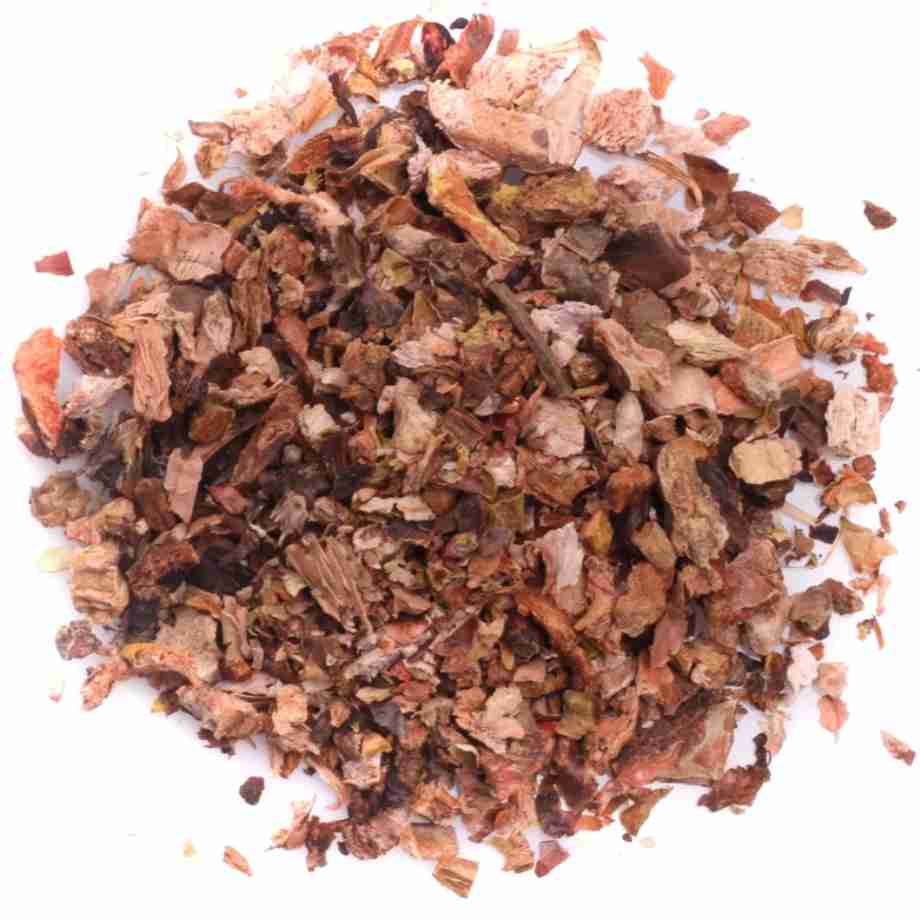
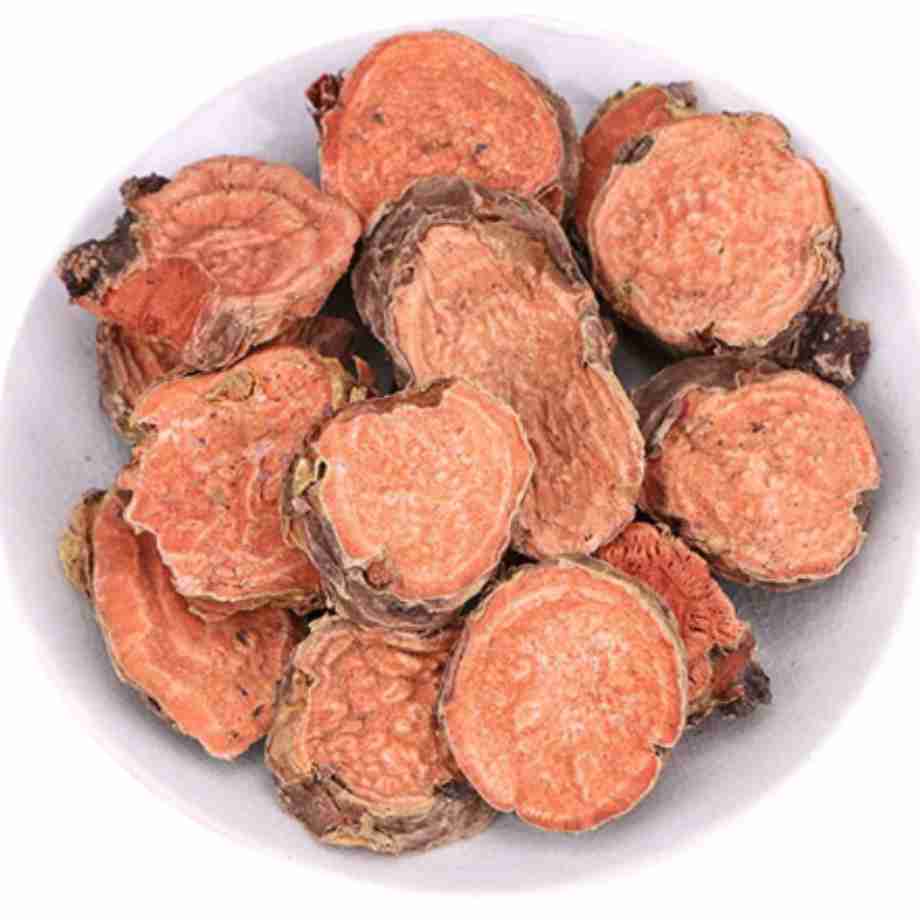
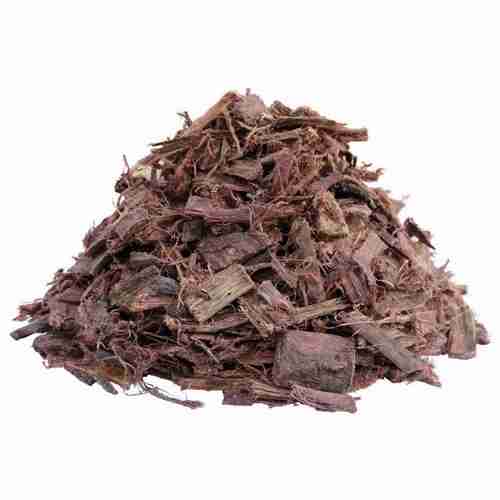
Root gold Rodiola Rhodiola Rosea, Siberian (Mother Tincture)
29,90 USD – 239,90 USD
Rhodiola rosea (also known as golden root, pink root) (Rhodíola rósea) is a perennial herb; species of the genus Rhodiola of the family Crassulaceae.
It is no accident that rose has very intense scents and aromas. It is no accident that it was used in the past as a magic potion of all kinds.
An alcoholic rhodiola extract is used in Russian scientific medicine as a central nervous system stimulant, in asthenic and neurostatic conditions, increased fatigue, decreased performance, vegetative-vascular dystonia, in psychiatry, functional nervous system diseases, in the rehabilitation period after somatic and infectious diseases, as well as in virtually healthy people with reduced performance.
Property of the Root Rhodiola Rosea:
In particular, the Radiola owns shares like this:
liver Adattogena Neuroprotective muscle, heart disease, the intellectual; to promote recovery from mental exhaustion It has mild antidepressant effects. Antioxidant Immunostimulant Stress and physical fatigue Other, of a thickness of not more than 10 mm Tonic and Nootropic Optimize the functions of the liver, heart muscles, intellect; Reduce symptoms of fatigue and promote recovery from physical muscle fatigue; Contrasting the mild depressive symptoms associated with weakness and stenosis Promote cognitive activity; Improve antioxidant defenses; Reduces the sensation of nervous hungerApplications of the Root of Rhodiola Rosea:
| Format | Cut |
|---|---|
| Unit of measurement | 1000 g 100 g 10 g 250 g 25 g 500 g 50 g |
| Country of manufacture | Russia Siberia |
| Ingredients | Root of Rodiola |
There are no reviews yet.
Sign in to submit a review after purchase.





| Destination | Service | Indicative times | Cost | Free from |
|---|---|---|---|---|
| Italy - Vatican - San MarinoItaly - Vatican - San Marino | StandardStandard shipping · ITALY | 4–5 business days | € 5,90 | € 99,99 |
| SpainSpain | StandardStandard shipping · SPAIN | 5–6 business days | € 5,90 | € 99,99 |
| PortugalPortugal | StandardStandard shipping · PORTUGAL | 4–5 business days | € 5,90 | € 99,99 |
| AzoresAzores | StandardStandard shipping · AZORES | 2–3 business days | € 5,90 | € 99,99 |
| MadeiraMadeira | StandardStandard shipping · MADEIRA | 5–7 business days | € 5,90 | € 99,99 |
| Canary IslandsCanary Islands | StandardStandard shipping · CANARY ISLANDS | 5–6 business days | € 5,90 | € 99,99 |
| Other European countriesOther European countries | StandardStandard shipping · EUROPE | 5–7 business days | € 7,90 | € 99,99 |
| Ukraine and similar countriesUkraine and similar countries | StandardStandard shipping · SPECIAL EUROPE / EAST | 7–12 business days | € 14,90 | € 114,99 |
| United States and CanadaUnited States and Canada | StandardStandard shipping · USA + CANADA | 8–14 business days | € 19,90 | € 199,99 |
| Morocco, Tunisia, Egypt, Israel, Jordan, United Arab Emirates and nearby areaMorocco, Tunisia, Egypt, Israel, Jordan, United Arab Emirates and nearby area | StandardStandard shipping · NORTH AFRICA / NEAR MIDDLE EAST | 8–14 business days | € 19,90 | € 199,99 |
| Mexico, Brazil, Argentina, Chile, Colombia, Caribbean and areaMexico, Brazil, Argentina, Chile, Colombia, Caribbean and area | StandardStandard shipping · LATIN AMERICA / CARIBBEAN | 10–18 business days | € 19,90 | € 199,99 |
| Japan, China, Korea, India, Thailand, Singapore and areaJapan, China, Korea, India, Thailand, Singapore and area | StandardStandard shipping · ASIA | 10–18 business days | € 24,90 | € 249,99 |
| Australia, New Zealand and areaAustralia, New Zealand and area | StandardStandard shipping · OCEANIA | 12–20 business days | € 29,90 | € 249,99 |
| Sub-Saharan Africa and more expensive destinationsSub-Saharan Africa and more expensive destinations | StandardStandard shipping · REST OF AFRICA | 12–20 business days | € 29,90 | € 249,99 |
| Islands and territories with exceptional routesIslands and territories with exceptional routes | StandardStandard shipping · REMOTE TERRITORIES | 15–25 business days | € 34,90 | € 299,99 |
The thresholds refer to the value of the products. Discounts do not lose a threshold already reached. Checkout always calculates availability and fare on the complete destination; the times run from the shipment and are indicative.