Reishi Ling Zhi (Ganoderma Lucidum) Red
Known as Ganoderma, it is the famous Reishi (Japanese name) Ling Zhi Chinese name, with the scientific name of Gaoderma Lucidum. A fungus native to China that has now spread around the world is venerated and considered in Ayurvedic medicine but not only as a miraculous, and it is indeed!
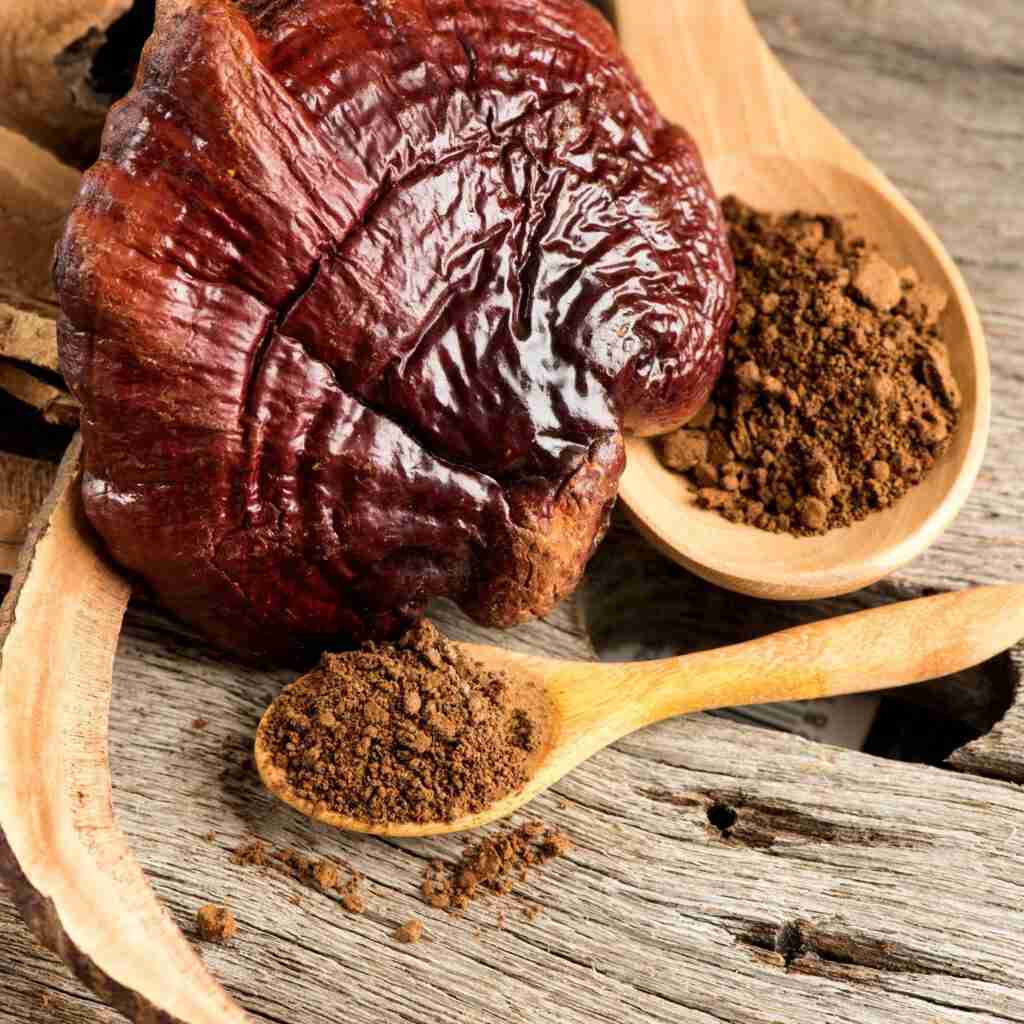
This variety of Reishi has been cultivated in asyx for us, in symbiosis with the chestnut, from which it grows directly from its courtes, about to a man height, with a special technique, barely picked has been dried at 40° to preserve all the components and make it aseptic, in a natural and so much love, It is not by chance its form of kidney, which identifies the expulsion of negative and energy and physical cleansing. Ganoderma is rich in many pharmacologically important compounds that act synergistically: It is a medicinal mushroom of Chinese origin, used for centuries in China, Japan and Korea as an elixir of health and longevity, so much to deserve the fame of “fungo dell’immortality”. Ganoderma Lucidum antitumoral, immunostimulating, antioxidant, anti-inflammatory, hypoglycemic, hypopolypyditic and hypotensive are supported by scientific research now known. But it also has many more that we will most specifically list below.
One thing to be careful is that most of Reishi's extracts and preparations on the market do not really contain the fruity body of the fungus (the most valuable part) but only the mycelium which in case of cultivated mushrooms is very poor of its active and compoendi mdicinali.
This proposal is whole and made to be used to transform its active ingredients, as well as for its conservation, it is not to be consumed as food, but exclusively as medicine, with the right doses. The Ganoderma or Reishi red is distinguished by the circular red hat from the clear hem, tending to the shiny yellow if young and matte if mature, which can reach the 15 cm (cm) in diameter. The stem is vertical or oblique, 30cm long, noduloso and shiny. with pleasantly tannic smell and woody taste.
Scientific name: Ganoderma lucidum
Family: Ganodermataceae
Popular names: Reishi, Ling Zhi
- Triterpenoids (140 different types)
- Polysaccharides (more than 100 different types, including betaglucans-uses for the immune system- and glycoproteins)
- Nucleothids and nucleosides (including adenosine, which has vasodilator effect)
- Steroli
- Fatty acids
- Proteins/peptides
- Minerals (Magnenesian Potassio, calcium, Zinc, Iron, Manganese, Copper and the rare German)
Owner of Ganoderma
The dry extract of Ganoderma Lucidum contains about 400 bioactive compounds, including:
Ganoderma or Reishi is an Official Mushroom, used in various traditional oriental medical techniques; the active ingredients of Ganoderma or Reishi are:
- β-glucan polysaccharides and ether-β-glucans, known anti-tumor and immunostimulating molecules
- Proteins called Ling Zhi-8 (LZ-8), anti-allergic peptides,
- Cholesterol-hypotensives and
- Ganoderic acids (triterpenes), sterols that reduce allergic reactions by limiting histamine production, optimizing cellular respiration and promoting liver function.
Ganoderma or Reishi is a class of closely related triterpeneids (derived from lanosterol) found in Ganoderma fungi.
- It has anti-tumor activity thanks to glucan polysaccharides
- It is a stimulant of the body's immune defenses and is therefore particularly useful in situations of immune imbalance.
- It has an anti-allergic action, limiting histamine production by oleic and ganoderic acids.
- It has a hypotensive effect on the body due to the presence of specific specific proteins, which are valid against cholesterol buildup.8
- It contains essential minerals such as sulphur, iron, calcium and phosphorus, which are necessary for the overall health of the organism.
- It also has antioxidant and anti-inflammatory effects due to its vitamin C and E content.
- It reduces stress and feelings of fatigue.
- Antimicrobial, antiviral (e.g. against Herpes and HIV) and antifungal
- Anti-inflammatory
- Antihistamine (histamine receptors are responsible for stomach acid production and allergic reactions, for example)
- Antiperspirant (for lowering pressure values)
- Hypolypeptidemizing agent (cholesterol lowering effect)
- Anti-diabetic (against high blood sugar levels typical of diabetes)
- Antioxidant (action against free radicals)
- Antiaging (anti-aging effect)
- Anti-cancer (anti-tumour effect)
- Immunostimulant (stimulation of the immune system)
TEST AND EXPERIMENTS on certain diseases and their improvement in the
Diabetes
- glycated haemoglobin (HbA1c)
- fasting and after-meal glucose (glucose)
- insulin at fasting and after meals
- C peptide (an index of endogenous insulin production)
Cardiovascular
- Improvement of symptoms such as angina pectoris, palpitations, chest pain
- Normalisation of the electrocardiogram (abnormalities decreased from 74 to 55%)
- Significant decrease in blood pressure (invariant in placebo group)
- significant decrease in cholesterol levels (invariant in the placebo group)
Cancer
- Inhibition of growth of cancer cells
- Induction of apoptosis (cell death)
- Suppression of spread (metastasis) and angiogenesis (the mechanism by which cancer cells obtain nourishment)
- Activation of cytokines produced by the immune system (interferons, interleukins, tumor necrosis factor)
Popular and ancient uses in China
- Hepatitis, chronic liver problems
- Renal disease
- High blood pressure
- Arthritis
- Insomnia
- Bronchitis and asthma
- Gastric ulcer
In China it has been used for millennia as a tonic and a longevity carrier
Effects
- adaptogen,
- a painkiller,
- anti-allergic,
- the presence of bronchitis,
- interferon,
- the anti-oxidant,
- the anti-cancer treatment,
- hypotensive,
- the amount of the product used in the manufacture of the product;
- Cardio
- a tonic,
- Antidepressants
- Relaxing,
- the mucolic,
- preventing the HIV virus
- the cortical-surrenalic
- increases the production of interleukin 1 and 2 produced by macrophages and splenocytes.
In addition
ANTI-TUMOUR EFFECTS
Part of the anti-tumor effects of reishi are due to the action of polysaccharides on immune function, which is complemented by DNA polymerase inhibition and post-translational modification of oncoproteins.
The high germanium content may also contribute to this pharmacological action.
Chemical and radio-preventive effects
Reishi has been shown to increase the resistance of caves to γ radiation by containing damage to thymus and splenocytes.
In morphine-dependent mice, administration of a polysaccharide isolated from reishi returned to normal several immunological values depressed by chemical toxicity.
HYPOLIPIDEMIC AND HYPOGLYCAEMIC EFFECTS
Several animal studies have demonstrated the hypoglycemic and polypolic properties of reishi.
The administration of a reishi extract for 2 months in 8 diabetic patients was indeed comparable to that of the controls given insulin (100 IU = ml for 60 days) and oral hypoglycaemic medicines (250 mg/ day for 60 days).
HEPATOPROTECTIVE EFFECTS
Reishi was taken for 6 months in 52 patients with chronic hepatitis B, restoring normal amino transferase levels in 33% of patients and completely eliminating antigens in 13%.
ANTI-INFLAMMATORY EFFECTS
Reishi extracts have been shown to have significant anti-inflammatory effects comparable to conventional diclofenac in acute and chronic inflammatory patterns.
ANTI-ALLERGIC EFFECTS
Reishi is able to restore the normal balance of cytokines TH1 and TH2 in patients with allergic reactions.
ANTIANDROGENIC AND OESTROGENIC EFFECTS
Reishi has androgenic and estrogenic effects useful for treating several conditions including benign prostatic hyperplasia and osteoporosis.
ANTIHERPETIC EFFECTS
Reishi is a potent inhibitor of herpes simplex virus types 1 and 2.
ANTIOXIDANT EFFECTS
Reishi inhibits lipid peroxidation and has a powerful free radical removal action.
[24].
ANTIBACTERIAL EFFECTS
Reishi extracts are active against several types of positive and negative gram bacteria including Bacillus subtilis, Klebsiella oxytoca and Helicobacter pylori.
ANTI-ULCER EFFECTS
Reishi's polysaccharides protect the gastric mucosa and promote repair by suppressing TNF-a and inducing the c-myc and ODC genes.
HYPOTENSIVE EFFECTS
In a double-blind study of 54 patients with stage 2 primary hypertension who had not responded positively to conventional treatment (catopril 25 mg or nomodipine 3 times/ day), reishi improved systemic blood pressure by 82.5% in just 14 days of treatment.
There are several ways to do it and different forms and solutions We do not recommend commercial cans as at 90% there is inside the mycelium and not the essence of the raw material, as well as being inside of everything and not the cappels that contain the active ingredients, and is made more by the fact that they have processes of drying
How much?
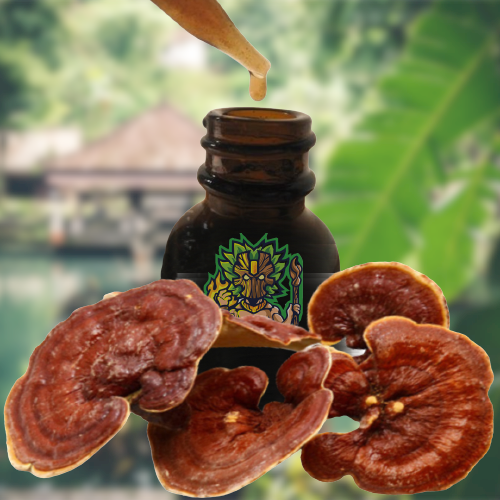
This is specifically dried in whole, but you can find it from us in powdered forms and mother tittutra form.
In the whole form, the whole shape can be assumed by 6 grams per day, if there are ongoing pathologies or problems to be solved can increase up to 10 gr if you make a decoction, you can increase in or to 30gr in case of serious pathologies as you can take to life without any contraidications (read at the bottom) in that case for prevention purposes only 3 grams per day
What?
In the whole dried form, it is better to use it in hot water solutions (not cooked, but only immersed and not too hot to not spoil the active ingredients (better yet half an hour before it takes on of the viability C) that helps to trigger its beneficial process
immersed as a stew (covering it with lid or saucer) in a soup, or as a tea, letting it act half an hour, making sure to drink then all the iquido whatever ointment it is. soften with honey being a bit bitter. but it is not obligatory.
if it is put in the freezer 24 hours before (with a little distinct water (hermitically closed) a vacuum bag or an eremtic container (insure to recover the water used and do as written above, this allows to weaken the walls and to obtain a product richer than active ingredients.
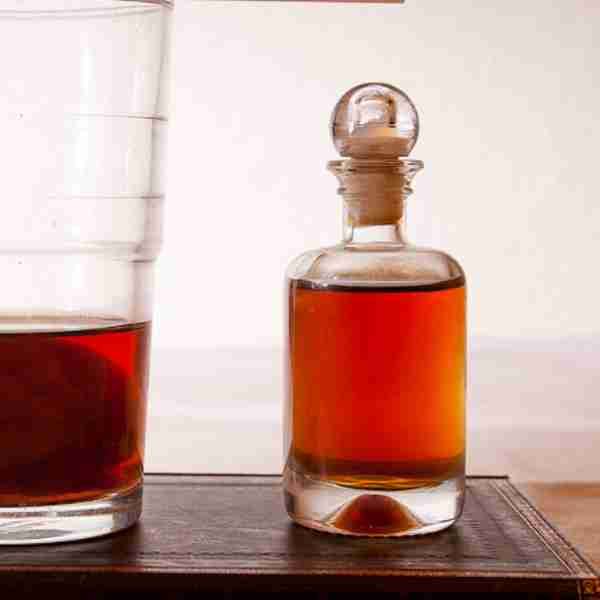
But it is not excluded that you can take it by leaving it in soak for 24 hours in an orange juice, inside a glass bottle (in this case 10 grams and drink it to sips during the day after)
When?
The best time is on the stomach Empty, better yet in the morning, making sure that then you do not eat at least for an hour /1 hour and a half
How long for the first results?
It takes 2 months to see the first improvements, (such as the majority of remedies of this kind) but long to go if you also perform a good nutrition and good spirituality you will pssable to achieve amazing results. stable and always better, but not at all is called miraculous, wise and eternal youthAccording to American Herbal Pharmacopoeia, Reishi is indicated among the class 1 herbs, this means that it can be safely consumed by healthy individuals, provided appropriately. Although in literature no known side effects are reported, The most sensitive individuals may manifest symptoms such as For the same reason It is considered a super "vegetable herb" Literary gastric disorders Diarrea Rash cutaneous Normal effees of detoxification that may also be dizziness, headaches and digstive disorders
These will check at the beginning and pass within a week or so. Clearly, there are rare cases of people who are alergical to all mushrooms and clearly here we are talking about a fungus Mr.! Medline Plus recommends caution in case of concurrent intake of Antidiabetic Antihypertensive Anti-Agulations
The first references written on the fungus date back to the Shennong Medical Matter, of 100 BC, the first text of pharmacology in which the experience of doctors of ancient China was collected in 2000 years. Reishi was also a great protagonist of Chinese art: starting with the first emperor, Shing-Hiang, of the Ch’in Dynasty (221-207 BC) until the Chinese Yuan Dynasty (1280-1368 AD) we find it represented on paintings, sculptures in jade, furniture and carpets [1,2]Reishi grows spontaneously in the woods, attached to the trunk of the plants: Quercia, Acero, Birch, Frassino, Magnolia constitute its natural habitat; more rarely is it on the conifers (Larch, Pine); in the east it is found on the plum trees. More than 250 species of Ganoderma have been described worldwide, although therapeutic use usually refers to the species G. Lucidum. The poor availability of the fungus has made it accessible only to the most affluent classes for a long time. It has started to be cultivated artificially and, since the 1980s, production has grown exponentially, especially in China and the United States – in tropical, subtropical and temperate areas.
The pictures in the description are purely indicative
Products guaranteed by KARMARANDO
For plant products, incense and powder products prepared at the moment, no refunds or refunds shall be made.
The
terms used The categories and tags do not suggest medicinal or recreational use of products, but only organize them according to their historical, scientific and social use.
The recipes are scientifically based.They do not encourage customers to repeat them, nor do they want to consume their products.
Our content have not been evaluated by the FDA or any professional medical authority: possible applications, dosage indications and warnings are described for educational purposes only, are personal speculation and do not constitute medical advice.
Products are sold as incense, soaps, resins, collector's botanical material and scientific research material.
They're not meant for human consumption.
To purchase our products you must be over 18 years old and not suitable for pregnant and/or breastfeeding women.
For more information on
KARMARANDO Visit
This page or read the latest news on
The BLOG