
Rapé and co
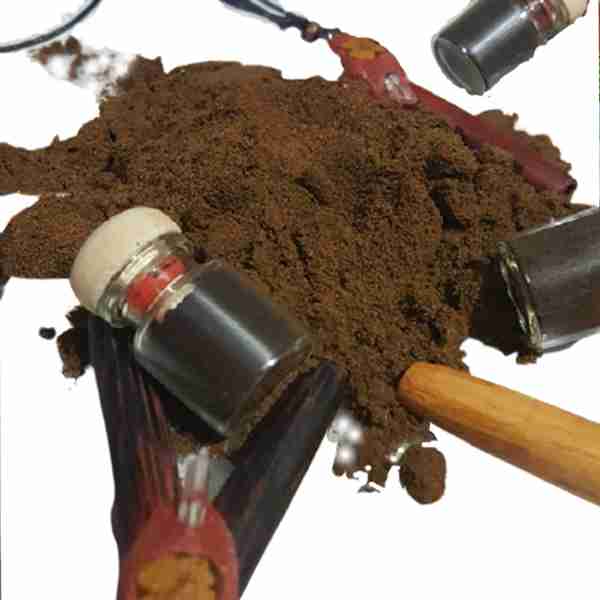
Yopo - Anadenanthera Peregrina
10,90 USD – 479,00 USD
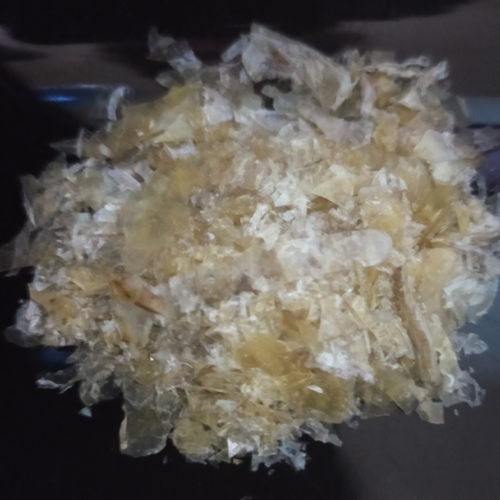
I do. yopo, o Anadenanthera PeregrineThe seeds of the tree have been used in healing rituals for thousands of years. They contain XXX, X-XXX-XXX and bufotenine, which is present in the Bufi and in particular the Bufo Alvarius
The yopo tree belongs to the genus Anadenanthera Peregrine or its Variant Cebil (Anadenanthera colubrina)
The two trees are very similar and often confused with each other. Cebil seeds ( Colubrina) also contain buphotenine in even higher concentrations.
Other names for yopo are jopo, cohoba, parica and football tree.
I do. yopo can grow up to about 20 meters high.
The tree produces small pale yellow or white flowers.
Tree wood is used to make furniture, among other things.
Use of yopo
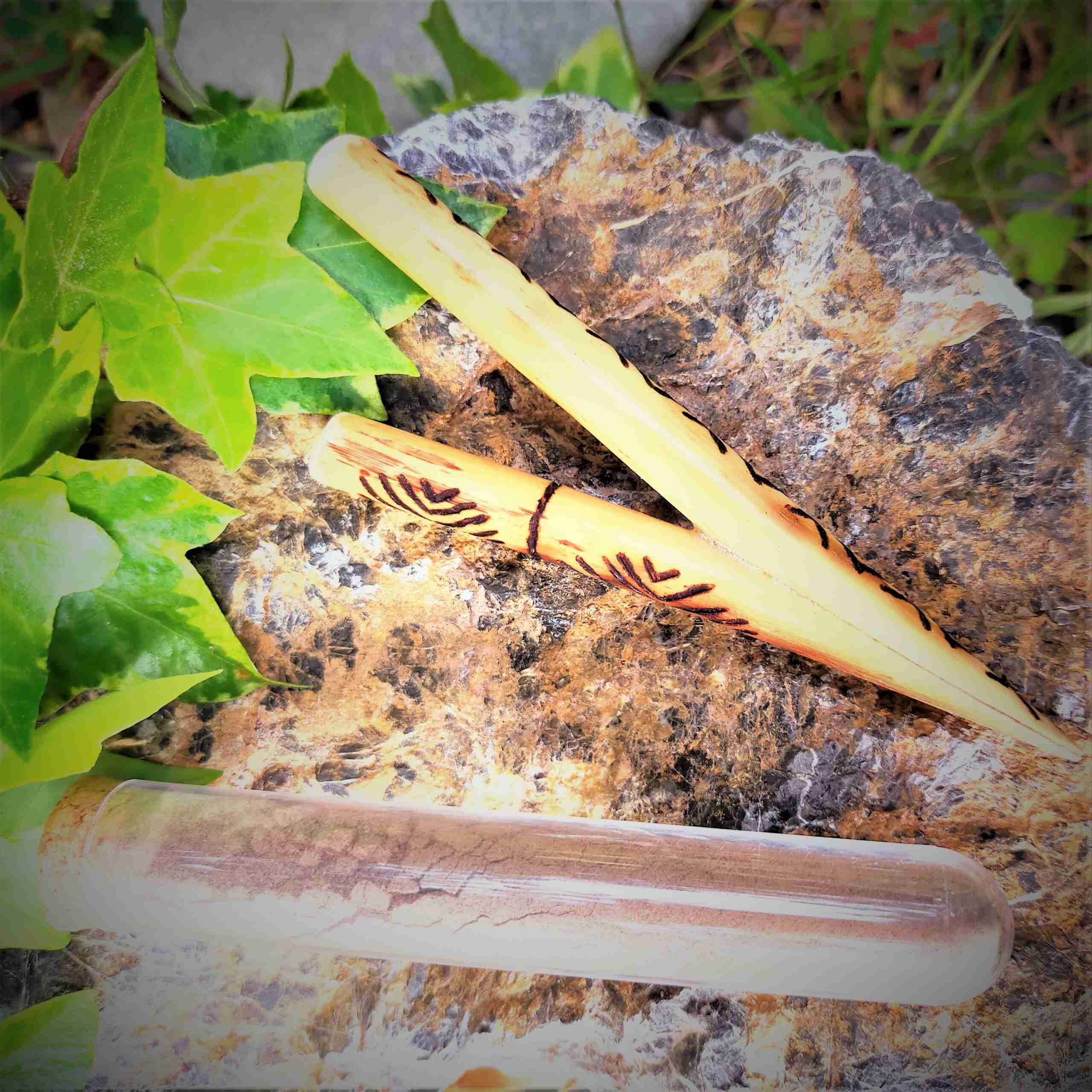
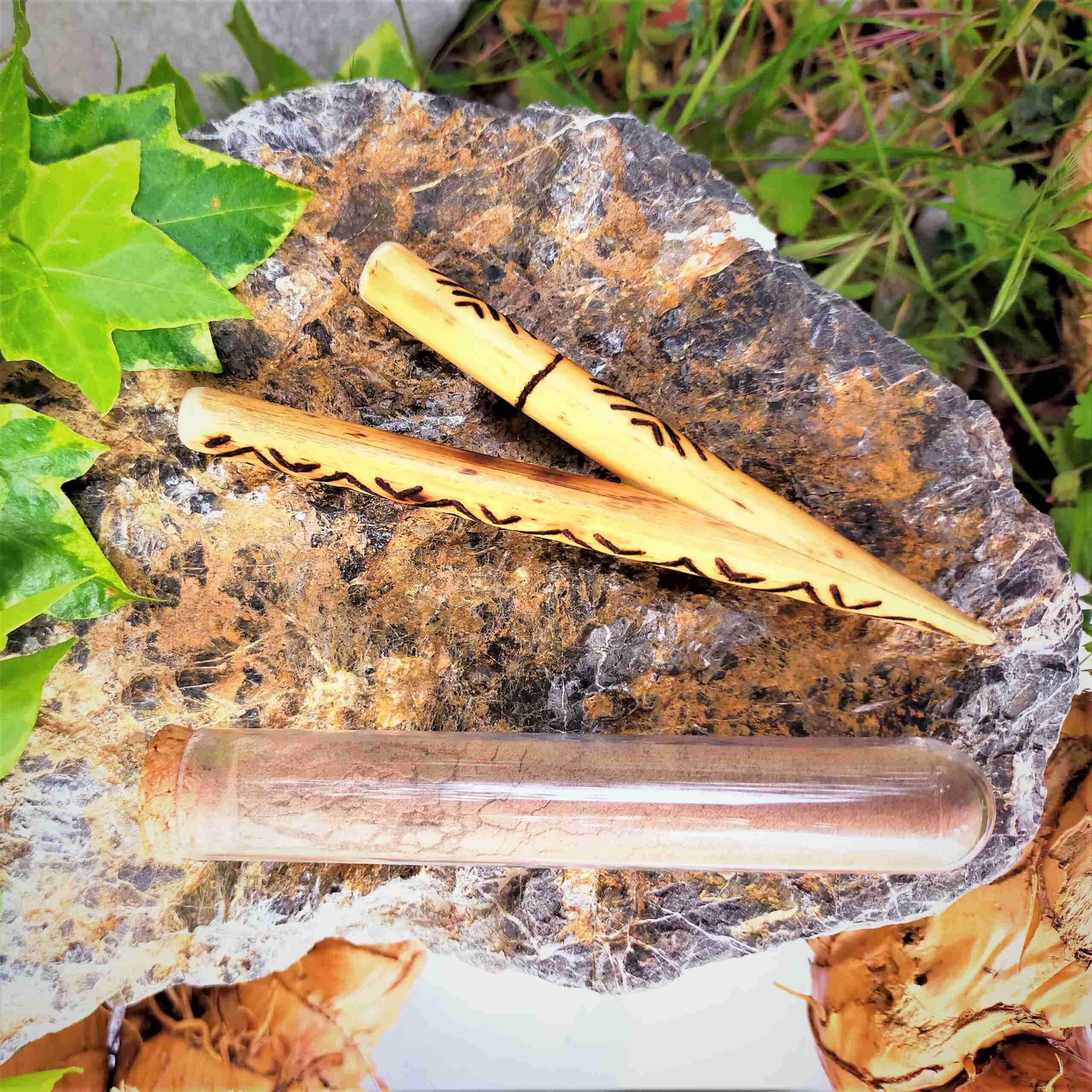
Traditionally, it yopo It is usually done by shaman. Blowing yopo is more effective than when aspiring. Also, when blown causes less irritation to the nose. rape, blowing is very important according to tradition, because a certain energy is transmitted through the breath. Traditionally, bamboo sticks were used to blow. In the gro many propose chopped or freebased seeds without activation, but above all without removing the skins, chopping everything, so it is not the same thing. besides you need to drink first Syrian Ruta or Ayahuasca that act as Inhibiters-Imao, so you have a complete process and ceremonyTraditionally, beans from the bean yopo They are toasted until they make a "scratching" sound.
Then the beans are first removed entirely the skins and then ground in powder and mixed with ashes and shells and lime lime lime lime, then let it rest and cook again.| Format | Materia Activated - Interior Materia Activated - Powder Seeds |
|---|---|
| Unit of measurement | 100 g 10 g 20 g 50 g 5 g |
| Country of manufacture | Brazil |
There are no reviews yet.
Sign in to submit a review after purchase.




| Destination | Service | Indicative times | Cost | Free from |
|---|---|---|---|---|
| Italy - Vatican - San MarinoItaly - Vatican - San Marino | StandardStandard shipping · ITALY | 4–5 business days | € 5,90 | € 99,99 |
| SpainSpain | StandardStandard shipping · SPAIN | 5–6 business days | € 5,90 | € 99,99 |
| PortugalPortugal | StandardStandard shipping · PORTUGAL | 4–5 business days | € 5,90 | € 99,99 |
| AzoresAzores | StandardStandard shipping · AZORES | 2–3 business days | € 5,90 | € 99,99 |
| MadeiraMadeira | StandardStandard shipping · MADEIRA | 5–7 business days | € 5,90 | € 99,99 |
| Canary IslandsCanary Islands | StandardStandard shipping · CANARY ISLANDS | 5–6 business days | € 5,90 | € 99,99 |
| Other European countriesOther European countries | StandardStandard shipping · EUROPE | 5–7 business days | € 7,90 | € 99,99 |
| Ukraine and similar countriesUkraine and similar countries | StandardStandard shipping · SPECIAL EUROPE / EAST | 7–12 business days | € 14,90 | € 114,99 |
| United States and CanadaUnited States and Canada | StandardStandard shipping · USA + CANADA | 8–14 business days | € 19,90 | € 199,99 |
| Morocco, Tunisia, Egypt, Israel, Jordan, United Arab Emirates and nearby areaMorocco, Tunisia, Egypt, Israel, Jordan, United Arab Emirates and nearby area | StandardStandard shipping · NORTH AFRICA / NEAR MIDDLE EAST | 8–14 business days | € 19,90 | € 199,99 |
| Mexico, Brazil, Argentina, Chile, Colombia, Caribbean and areaMexico, Brazil, Argentina, Chile, Colombia, Caribbean and area | StandardStandard shipping · LATIN AMERICA / CARIBBEAN | 10–18 business days | € 19,90 | € 199,99 |
| Japan, China, Korea, India, Thailand, Singapore and areaJapan, China, Korea, India, Thailand, Singapore and area | StandardStandard shipping · ASIA | 10–18 business days | € 24,90 | € 249,99 |
| Australia, New Zealand and areaAustralia, New Zealand and area | StandardStandard shipping · OCEANIA | 12–20 business days | € 29,90 | € 249,99 |
| Sub-Saharan Africa and more expensive destinationsSub-Saharan Africa and more expensive destinations | StandardStandard shipping · REST OF AFRICA | 12–20 business days | € 29,90 | € 249,99 |
| Islands and territories with exceptional routesIslands and territories with exceptional routes | StandardStandard shipping · REMOTE TERRITORIES | 15–25 business days | € 34,90 | € 299,99 |
The thresholds refer to the value of the products. Discounts do not lose a threshold already reached. Checkout always calculates availability and fare on the complete destination; the times run from the shipment and are indicative.